Digital Marketing for Food Businesses: A Real Growth Menu
Digital marketing for food businesses is no longer optional. Because the thing is, visibility now happens long before a guest
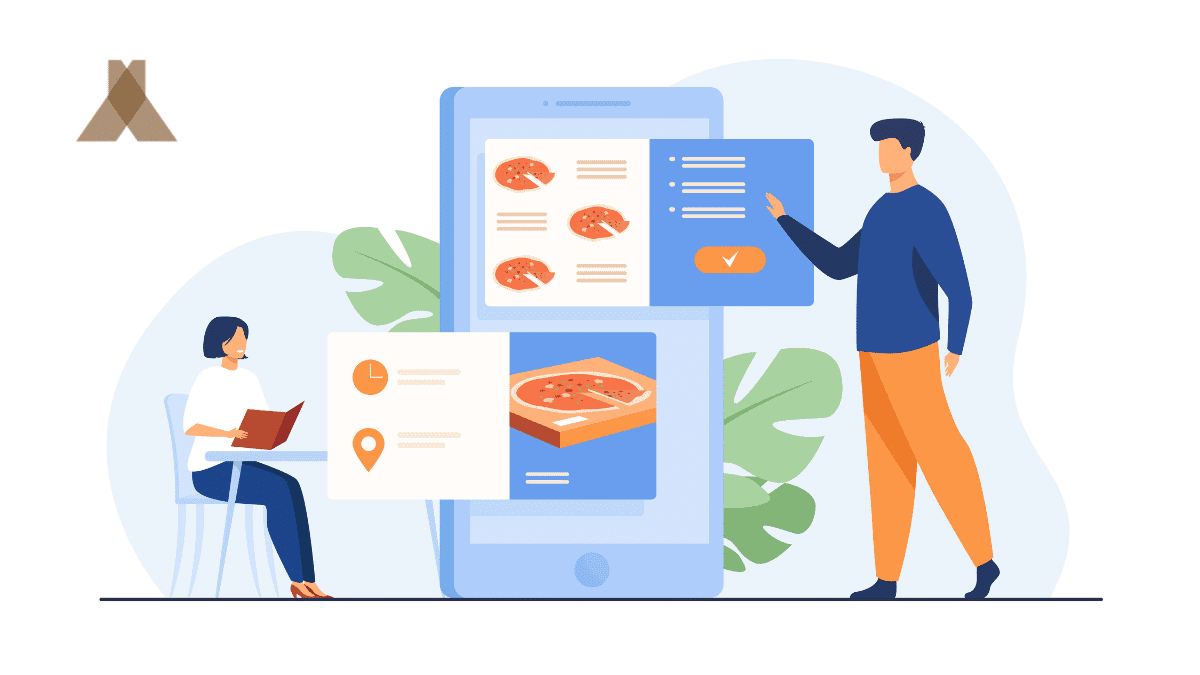
Digital marketing for food businesses is no longer optional. Because the thing is, visibility now happens long before a guest walks through the door or places an order. People search, scroll, compare, and decide in minutes.
In short, if your business is not showing up clearly and consistently in those moments, someone else will.
So the real challenge nowadays is that food businesses do not operate like other industries. Decisions are emotional, visual, and often local. A strong digital strategy must reflect how people actually choose where and what to eat. And that’s where we are going. Read on!
Digital Marketing in the Food Businesses Today
Digital marketing for food businesses goes beyond posting on social media or running a few ads. It is about being present at every key decision point, from search results and maps to reviews, menus, and paid placements.
For most businesses, discovery happens through Google searches, local listings, social platforms, and recommendations shared online. Digital marketing connects those touchpoints and turns interest into action.
But food businesses specifically face unique challenges. Competition is intense, margins are tight, and customer loyalty is often built over repeated experiences, not one-time interactions. On top of that, diners make fast decisions. If the information is unclear or hard to find, they move on.
Food marketing needs to focus on local intent, visual clarity, and trust signals like reviews, menus, and real guest experiences. Without that focus, even great concepts struggle to stand out.
Core Digital Marketing Channels for Food Businesses
Successful digital marketing strategies usually combine several key channels. SEO plans for restaurants helps food businesses appear when people search with intent, especially for nearby options.
Digital advertising for restaurants supports visibility during competitive moments and seasonal pushes. Social media builds familiarity and keeps the brand top of mind. Local listings and review platforms also play a critical role.
Accurate information, updated menus, photos, and responses to reviews directly influence whether someone chooses your business or scrolls past it.
Content That Actually Works in Food Marketing
Content creation is one of the strongest tools in digital marketing for food businesses, but only when it is useful and honest. High quality photos, short videos, blog posts, clear menu descriptions, and behind-the-scenes storytelling all help diners understand what to expect.
Content should answer real questions. What does this place serve? Is it casual or upscale? Is it good for families, dates, or groups? When content focuses on clarity instead of trends, it builds confidence and drives action.
Common Mistakes Food Businesses Make With Digital Marketing
One of the most common mistakes is relying on a single channel, usually social media. Another is chasing trends without a clear strategy or ignoring analytics altogether. Some businesses also underestimate the importance of consistency across platforms.
Digital marketing works best when efforts are connected, aligned with business goals, and reviewed regularly. Without that structure, even well-funded campaigns can fall flat.
How a Strategic Partner Helps Food Businesses Grow
Working with a marketing partner that understands food businesses makes a difference. Experience in hospitality operations combined with digital strategy helps bridge the gap between online activity and real-world results.
A specialized agency can align SEO, advertising, content creation, email marketing and analytics into a single roadmap, so every effort supports growth instead of competing for attention.
Conclusion: Building Sustainable Growth for Food Businesses
Digital marketing for food businesses is not about quick wins or chasing algorithms. It is about showing up clearly, building trust, and turning interest into lasting relationships. When strategy, content, and data work together, marketing becomes a predictable driver of growth.
If your food business is ready to move beyond scattered tactics and build a digital strategy that delivers measurable results, let’s talk!
The right guidance can make all the difference. A smarter approach starts with understanding where you are, where your guests are looking, and how to connect the two.
Share this article
Keep reading
More from the journal.
Growth Marketing
·3 min read
The Operator’s Playbook: Bridging the Gap Between Restaurant Marketing and Kitchen Reality
Stop wasting ad spend on generic agencies. Discover Resto Experience, a data-driven restaurant marketing agency built by real operators to scale table volume.
Growth Marketing
·4 min read
How Restaurant Marketing Campaigns Actually Drive Growth
Stop juggling fragmented vendors. Learn how an integrated restaurant marketing system drives predictable, scalable revenue for multi-location brands.
Growth Marketing
·3 min read
Marketing System for Restaurants: The Resto Experience Approach
At Resto Experience, restaurant growth is not treated as a collection of disconnected tactics, it is built as a structured ecosystem.