Food Influencer: How to Become One
In recent years, there have been many individuals who have turned their passion for food into a thriving online presence.
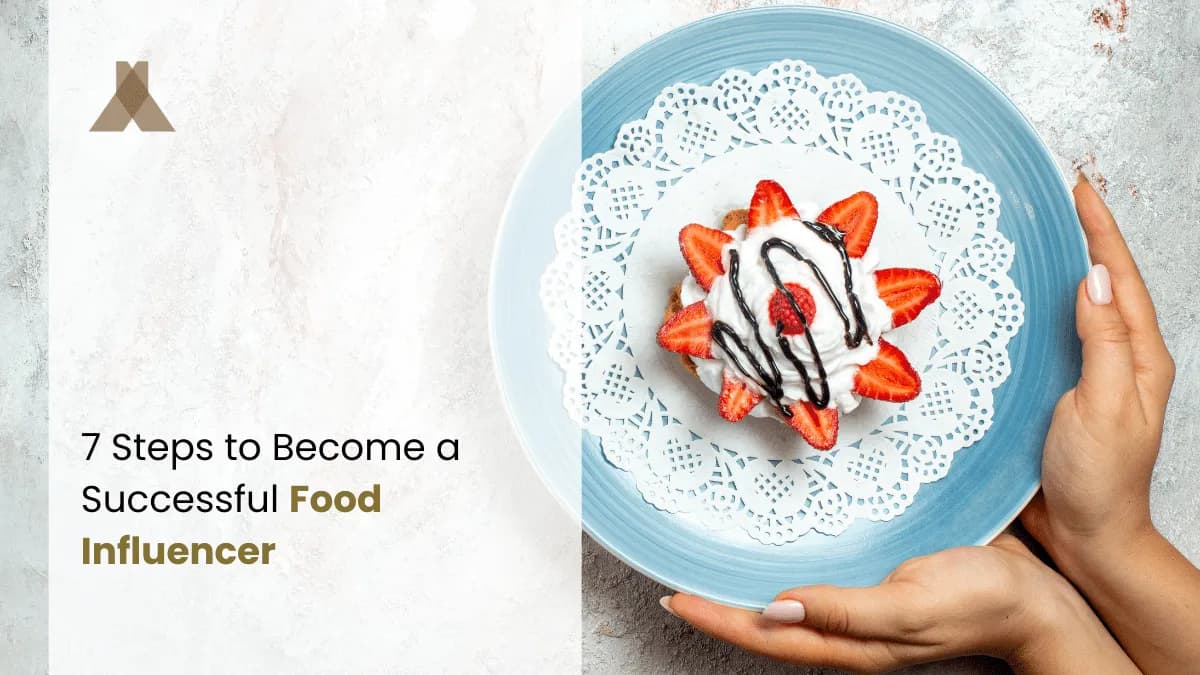
In recent years, there have been many individuals who have turned their passion for food into a thriving online presence. So, if you’re passionate about food, you could become a food influencer too! But, it’s more than just snapping pictures of your meals or sharing recipes but creating a unique voice in the culinary landscape.
This guide will walk you through the essential steps to become a successful food influencer. While it’s not super easy, it’s a perfectly achievable goal with a good strategy. Let’s begin!
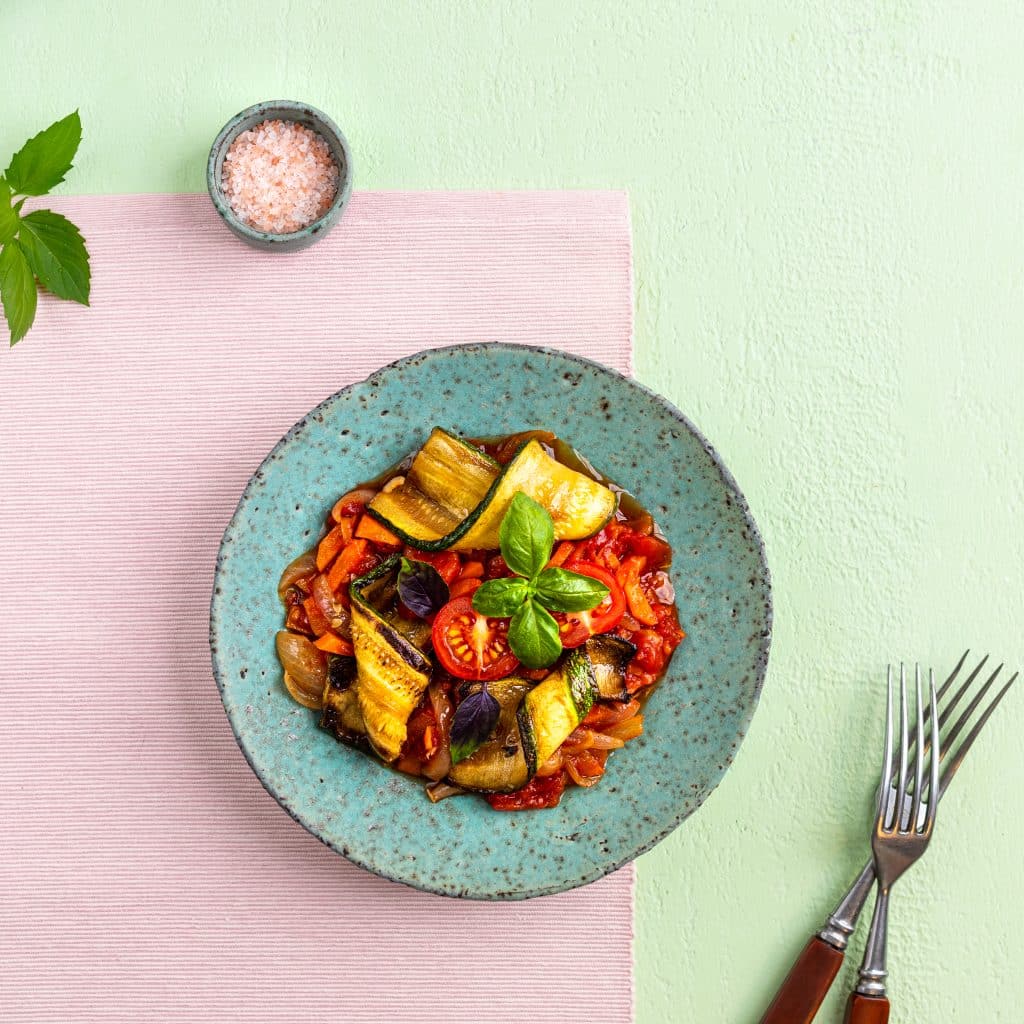
How to Become a Food Influencer: 7 Fundamental Steps
- Finding Your Niche: The Foundation for Your Journey as a Food Influencer
Since the food world is vast, specializing in a particular area will help you stand out. That’s why finding your niche is the first step in your strategy.
For example, you can opt for vegan cuisine, healthy food, street food, fine dining, or international flavors. We highly recommend that you choose a niche that excites you and aligns with your expertise.
Specializing in a niche offers several benefits:
- It’s easier to build an audience who shares your specific interests.
- You’ll have more opportunities for collaborations with specific brands.
- You can become an expert in your particular area.
Many food influencers start with a specific focus and gradually expand their content as they grow their audience.
- Building Your Brand to Stand Out
For any influencer, having a recognizable brand is very important. So, start by creating a catchy and memorable name (that reflects your niche). It’s better if it’s short and easy to spell, as this will make it easier for your audience to remember.
Bear in mind that your brand should be consistent across all platforms, which includes your logo, color scheme, and overall aesthetic. This consistency will help build recognition and trust with your audience.
Consider these elements when building your brand:
- Define your values, that is, the principles that guide your food choices and content.
- Beyond the logo and color scheme, define your photography style, font choices, and graphic elements. These should all work together to create a cohesive visual brand.
- Once you’ve developed your brand, consider trademarking your name and logo to protect your intellectual property.
Remember, with a well-defined brand, you’ll be better positioned to stand out in the crowded food influencer space.
- Defining Your Style Based on Your Personality
Offering a unique style is also key to becoming an influencer, Your style is the distinguishing factor that sets you apart from others in the food influencer realm.
For instance, you can be energetic or calm, storytelling-focused, fun, educational, etc., but you should always be consistent throughout time and across all your platforms and content. It’s recommended to find some aspect of your true personality to base your style on.
When defining your style, take into account the following:
- Identify your strongest personality traits that could translate well to content creation. Are you naturally humorous, detail-oriented, or passionate?
- Determine what type of content you enjoy creating most (long-form videos, quick recipe reels, beautifully styled photos, or informative blog posts).
- Will you use casual language, technical culinary terms, or a mix of both?
- Your style extends to visual elements too, your plating style, photography techniques, and even how you present yourself on camera.
Remember that your style should feel natural and sustainable for you. It’s not about playing a character!
- Choosing the Perfect Platform/s for Your Brand
As each platform is different (works differently and appeals to different audiences), you should carefully select the best platform for you according to your niche, style, and content.
Let’s analyze the most important platforms:
Instagram: Ideal for sharing short videos, pictures, and stories. It’s very visual, great for food photography and quick recipe videos.
TikTok: Ideal for sharing short videos, trending challenges, hacks, etc. It requires less production than Instagram content and tends to appeal to younger audiences. The algorithm favors content virality, offering potential for rapid growth.
YouTube: Ideal for long videos, more informative or educational content. It requires higher production quality. Good for in-depth recipes, cooking tutorials, and food vlogs.
Blog: For posting high-quality, detailed content. It should be SEO-optimized to attract visitors. Great for long-form content like detailed recipes, food guides, and articles.
Don’t try to have a presence on every platform. It’s better to focus on one or two which suit your audience and content style. Quality and consistency on one platform are more valuable than a scattered presence across many.
- Creating Quality Content to Engage with Your Audience
Needless to say, high-quality, engaging content is the cornerstone of any successful influencer, and this includes food influencers as well.
Here are our main suggestions:
Create Your Own Recipes: Unique recipes will help you stand out among the huge competition. You can create new dishes as well as reimagine classic ones. Add personal stories to keep your audience interested. You can document your recipe development process as audiences often enjoy seeing the behind-the-scenes work.
Invest in Good Equipment: Your content should be visually appealing, so invest in a good camera and learn the basics of food photography and videography. Take into account that good lighting can dramatically improve food visuals. Also, it’s a good idea to invest in backgrounds that align with your brand aesthetic.
Take Advantage of Trends: Never miss the opportunity to create content about trending topics that may be related to your brand. Be quick to adapt popular challenges or memes to food-related content.
Establish a Posting Schedule: Post regularly to maintain interest. You can implement a content calendar to better structure your posts. Use analytics to determine the best times to post for your audience. However, don’t sacrifice content quality for frequency.
- Growing Your Audience with Interaction and Optimization
Utilizing social media effectively is key to growing your audience. Engage with your followers by responding to comments and messages, creating interactive content like polls or “Ask Me Anything” sessions, and hosting live streaming sessions for real-time interaction with your audience are fantastic strategies to expand your reach and build a loyal following.
If possible, collaborate with other influencers or brands to expand your reach and gain credibility. For example, you can write guest articles on other food blogs or perform product reviews that may be interesting for your target audience.
Also, it’s essential that you optimize your content. These are some important tips:
-
Use relevant hashtags to increase discoverability.
-
Create captions that encourage engagement.
-
Post when your audience is most active.
-
Utilize SEO strategies for blog content to improve search engine rankings.
-
Consider using paid advertising on social media platforms to reach a wider audience.
-
Maintain a regular posting schedule to keep your audience engaged.
-
Ensure your branding and messaging are consistent across all platforms.
-
Regularly review your analytics to understand what content performs best.
-
Consider starting a newsletter to directly reach your most engaged followers.
Remember that growing your audience is a gradual process that requires patience and persistence!
- Monetizing Your Influence to Generate Income
Once you have a solid following, you can start monetizing your influence. There are various ways to generate income as a food influencer:
- Sponsored Content:
- Partner with food brands, kitchen equipment manufacturers, or related businesses to create sponsored posts or videos (but always make sure that the sponsored content aligns with your brand and provides value to your audience).
- Be transparent about sponsored partnerships to maintain trust.
- Affiliate Marketing:
- Promote products through affiliate links and earn a commission on sales. Focus on products you genuinely use and recommend to maintain authenticity.
- Disclose affiliate relationships clearly.
- Product Collaborations:
- Co-create products with brands, such as cookbooks, cooking utensils, or food items.
- Ad Revenue:
- Monetize your blog or YouTube channel through display ads.
- Online Courses or Workshops:
- Host live virtual workshops or masterclasses.
- Ebooks and Digital Products:
- Sell digital cookbooks, meal planners, or recipe collections.
- Create downloadable guides on specific cooking techniques or dietary plans.
- Membership or Subscription Models:
- Offer exclusive content, recipes, or personalized advice through a paid membership platform.
- Create a Patreon account for supporters to contribute monthly.
- Speaking Engagements and Appearances:
- Participate in food festivals or corporate events as a speaker.
- Host cooking demonstrations at local events or stores.
Every Great Food Influencer Needs a Great Audience
Becoming a food influencer is certainly not an easy task, but it’s filled with delicious discoveries and opportunities.
While numbers are important, remember: Always prioritize building an engaged audience over simply accumulating followers. A smaller, highly engaged audience can often be more valuable than a larger, passive one.
And, above all, remain authentic. Your audience will appreciate your genuine passion and honesty, which will set you apart from others.
Start now and enjoy the process; it’s time to cook up a storm in the digital realm!
Share this article
Keep reading
More from the journal.
Growth Marketing
·3 min read
The Operator’s Playbook: Bridging the Gap Between Restaurant Marketing and Kitchen Reality
Stop wasting ad spend on generic agencies. Discover Resto Experience, a data-driven restaurant marketing agency built by real operators to scale table volume.
Growth Marketing
·3 min read
Marketing System for Restaurants: The Resto Experience Approach
At Resto Experience, restaurant growth is not treated as a collection of disconnected tactics, it is built as a structured ecosystem.
Marketing digital
·3 min read
Why Most Restaurant Marketing Strategies Fail (and What Actually Works)
Most restaurant owners don’t have a marketing problem, they have a strategy problem. It’s common to see restaurants investing in